
The Battle Over Authenticity
The Man in the High CastleIn a world drowning in counterfeit artifacts, the meaning of the genuine is fought over in shops, laboratories, dinner parties, and parks.
increasing Bearing strength in each event
 decreasing
Bearing strength in each eventdecreasingA Fake Exposed
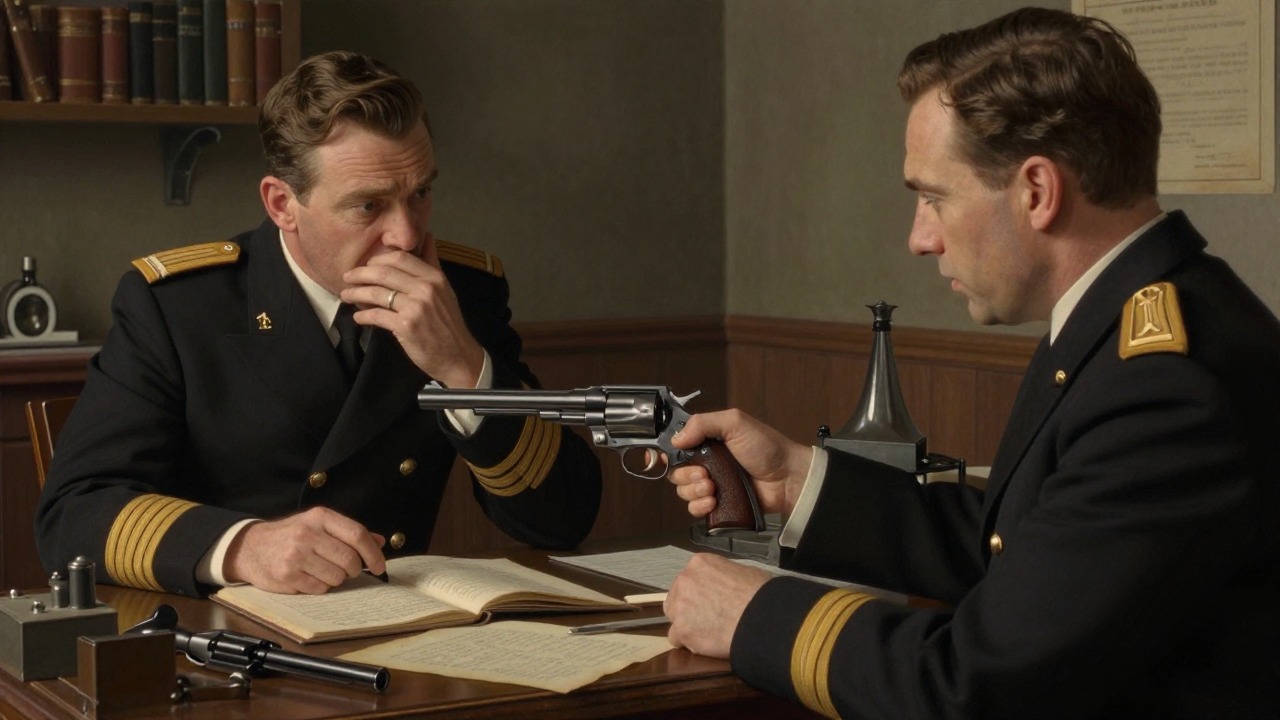
A Fake Exposed
Context
The fake admiral's gentleman exposes the Colt as an imitation, and Childan collapses into panic. He has sold his reputation as a dealer in the real, and now he does not know if anything is real.
Turning Point
He sends the gun to a laboratory, which confirms that it was made from plastic molds. The accusation is no longer a rumor; it is science.
Significance
The battle over authenticity begins with this wound. It forces everyone in the antiquities trade to look at the foundations of their business.
The Consignment Gambit
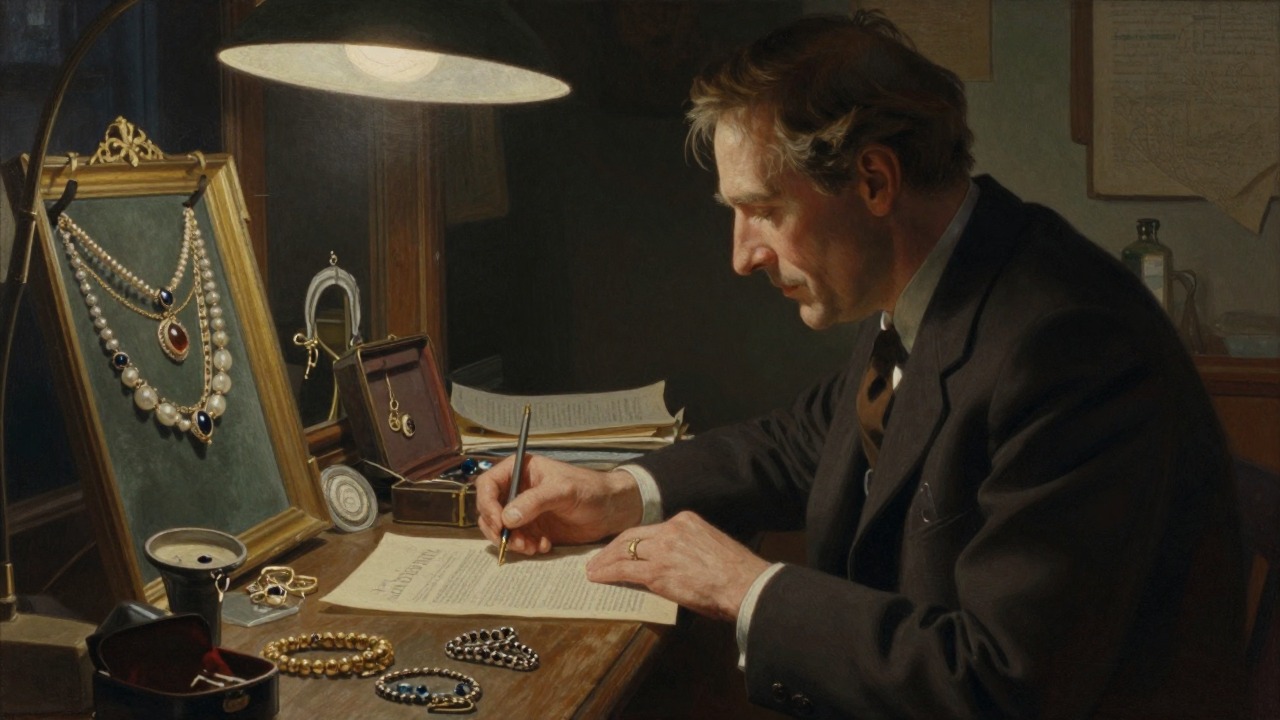
The Consignment Gambit
Context
When Ed McCarthy brings original jewelry into Childan's shop, Childan offers consignment terms. He wants to risk nothing while still taking a share of any sale.
Turning Point
The piece has no history, no fraud, no claim to an old age. It is what it is, and that threatens the entire system of marketable historicity.
Significance
The consignment deal is a test. If the new jewelry sells, it will prove that authenticity can be created, not only excavated.
The Wu of the Ugly Pin
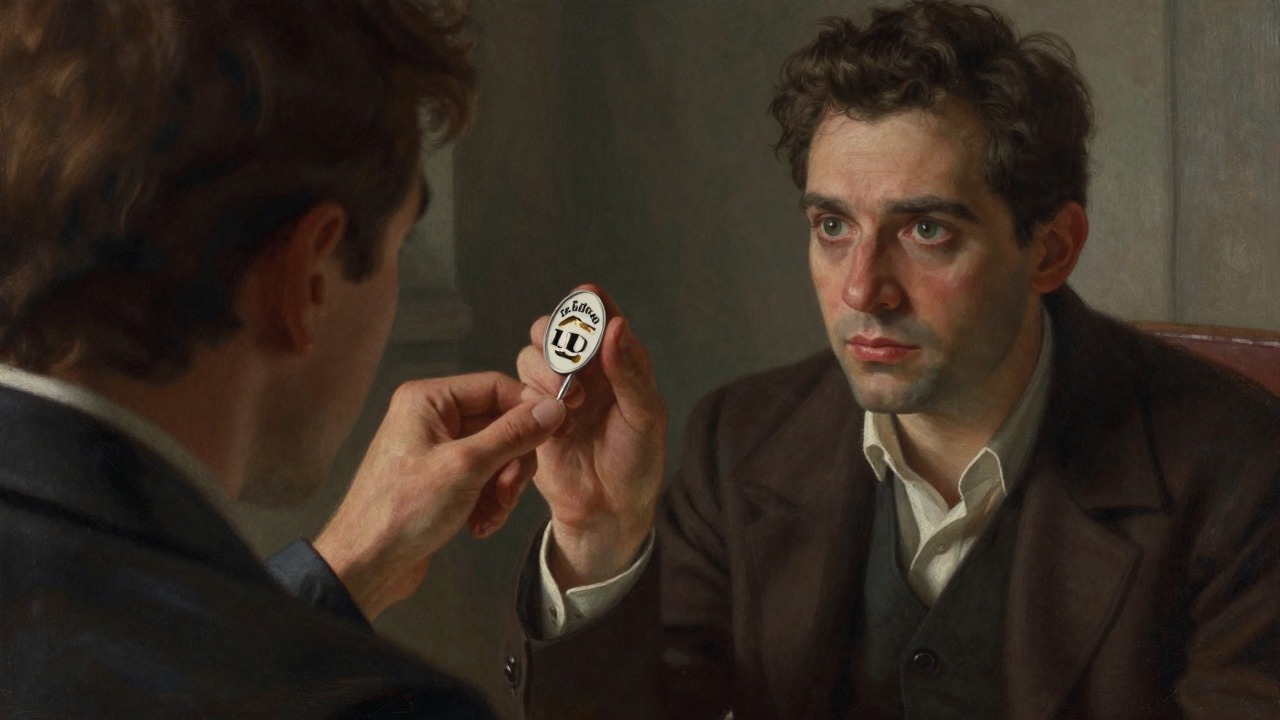
The Wu of the Ugly Pin
Context
Paul Kasoura studies the Edfrank pin and decides it has wu, a quality beyond art and history. He identifies the object as a new thing in the world.
Turning Point
He refuses to profit from it and gives it back to Childan. The battle over authenticity has now acquired a spiritual dimension.
Significance
Wu defeats historicity by ignoring the past. The true battle is not between real and fake antiques but between dead objects and living ones.
Tagomi's Search
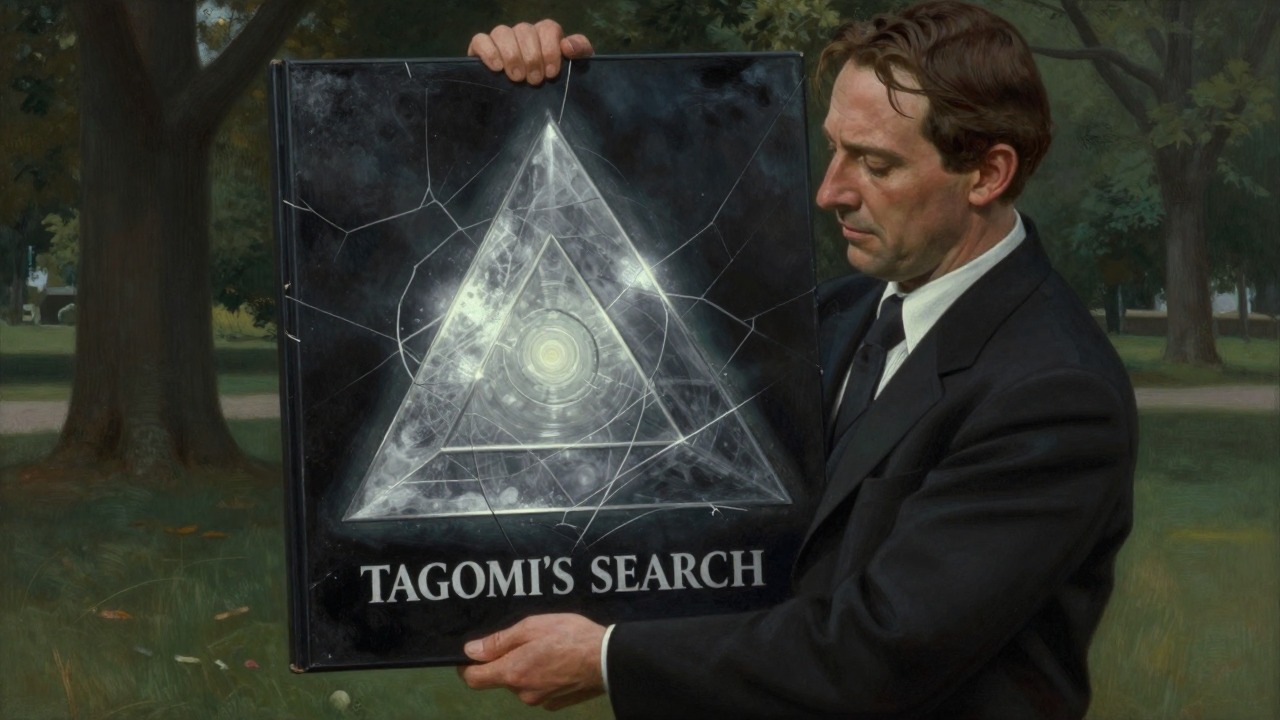
Tagomi's Search
Context
After the shooting, Tagomi buys one of the Edfrank pieces. He carries it to a park and tries to break through its surface to find a sign.
Turning Point
For a moment, the silver triangle seems to hold a whole universe of light and darkness, then the vision fades. Tagomi cannot prove its meaning.
Significance
The authenticity of the object is not separate from the state of the observer. Tagomi's despair keeps him from fully embracing what the piece offers.
The Truth of the Book
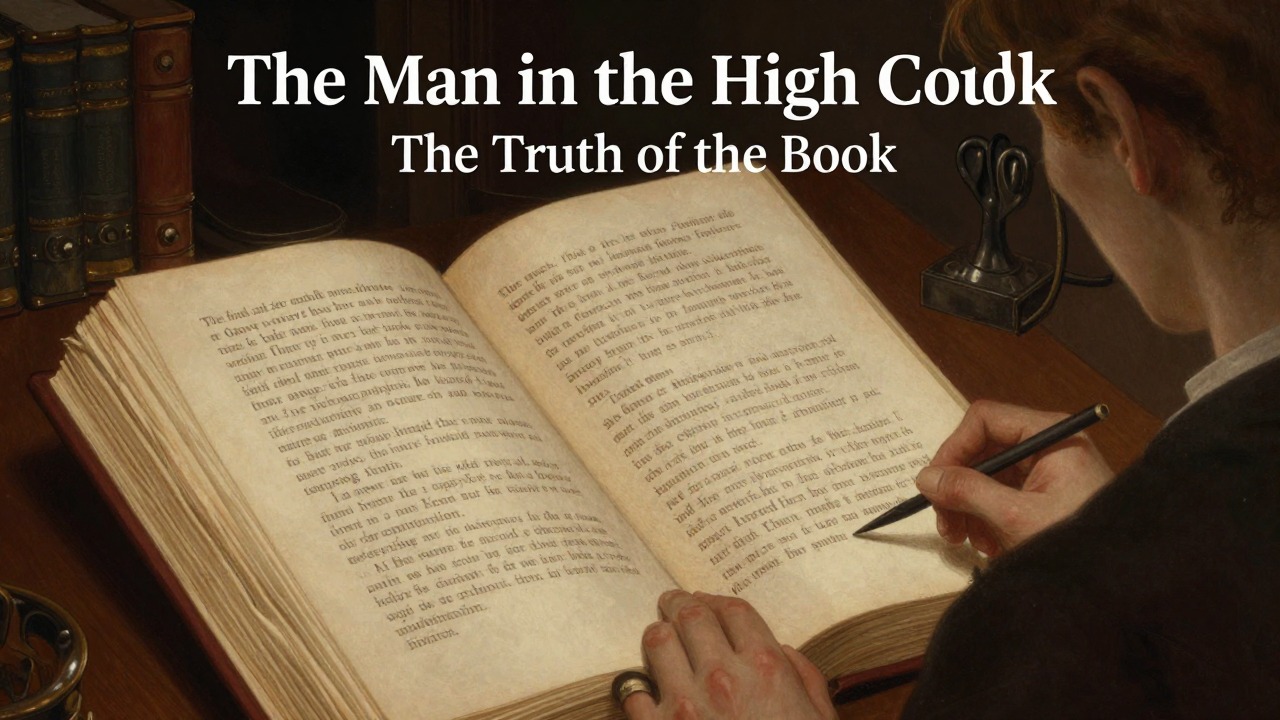
The Truth of the Book
Context
The final battle of authenticity is not about objects but about representation. Juliana asks why Abendsen wrote The Grasshopper, and the I Ching replies with Inner Truth.
Turning Point
She tells Abendsen that his alternate history is true. The distinction between the real and the invented collapses, and the world of the novel proves to be the counterfeit one.
Significance
The battle over authenticity ends with an ontological inversion. What seemed real, the Nazi empire, is false, and what seemed fiction, Abendsen's world, is true.
inside Childan's store with the fake admiral
when Ed McCarthy tries to sell Edfrank jewelry
during Paul Kasoura's meditation on the Edfrank piece
when Tagomi sits in Portsmouth Square with the silver triangle
when the oracle gives the hexagram Inner Truth
